 English
  简体中文
简体中文 On February 14, 2023, the research group led by Assistant Professor Bin Ye from the School of Environmental Science and Engineering, Southern University of Science and Technology, successfully passed the expert review organized by the Shenzhen Federation of Social Sciences for the Shenzhen Philosophy and Social Science Planning Project “Research on Industrial Transformation and Upgrading in Shenzhen under the Background of Carbon Neutrality.” The project has been officially accepted and awarded the completion certificate. Guided by the strategic frameworks outlined in the Guangdong–Hong Kong–Macao Greater Bay Area Development Plan issued by the CPC Central Committee and the State Council, and the Comprehensive Reform Pilot Implementation Plan for Building Shenzhen into a Pilot Demonstration Zone of Socialism with Chinese Characteristics (2020–2025), the project was carried out under the strategic positioning of Shenzhen as a “green and low-carbon pilot city.” Anchored in the long-term goal of “carbon neutrality,” and combined with the city’s development realities, the project contributes Shenzhen’s experience toward achieving the goals of carbon peaking and carbon neutrality, while also providing reference for other Chinese cities in implementing energy-saving and carbon-reduction strategies.
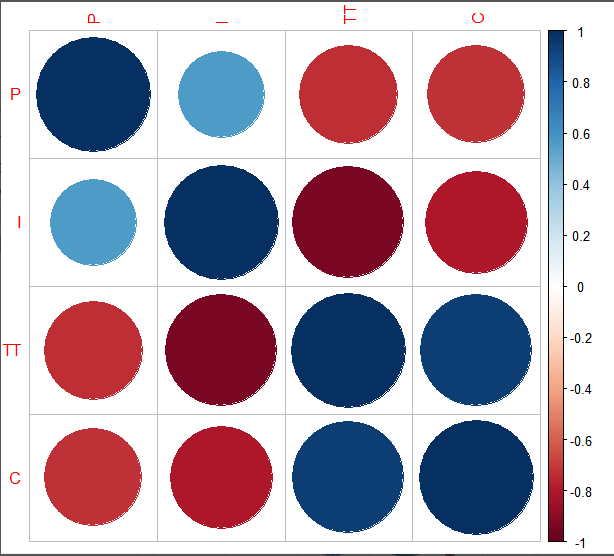
Visualization analysis of the correlation among variables in Shenzhen’s industrial energy consumption carbon emission decomposition model
The project identified the carbon emissions of Shenzhen’s key industries and their driving factors, while projecting future emission trends. Drawing on synergy theory, it revealed the interactions between industrial structure, socioeconomic development, and ecological environment. By constructing an adjusted LMDI decomposition model, the project analyzed the impacts of energy structure effect, per capita output effect, energy intensity effect, emission factor effect, and employment effect on industrial carbon emissions. From both the perspectives of energy consumption structure and sectoral breakdown, the study further identified the primary sources of Shenzhen’s emissions, while developing per capita industrial emissions and carbon intensity indicators as reference data for drivers and forecasts. Additionally, a grey GM(1,1) prediction model was established to forecast Shenzhen’s industrial carbon emissions for 2020–2035, determining optimal development pathways that balance economic growth and emission reduction. Based on these findings, a policy toolbox was developed to guide the green and low-carbon transformation of Shenzhen’s industrial structure, offering practical transformation models and policy recommendations consistent with both governmental strategies and the city’s realities.
The project was independently completed by Bin Ye’s research group, resulting in the publication of 2 academic papers and 1 research report. The outcomes have been highly recognized by experts, providing valuable insights into the pathways for Shenzhen’s industrial transformation under the carbon neutrality framework and offering policy references for government decision-making.