 English
  简体中文
简体中文 On March 23, 2025, Prof. Bin Ye from the School of Environmental Science and Engineering at Southern University of Science and Technology (SUSTech) organized a field activity for the courses Environmental Economics and Economics of Climate Change. Prof. Ye led more than 30 undergraduate and postgraduate students along the renowned hiking trail from Pak Tam Chung to Long Ke Wan in Hong Kong, carrying out a distinctive outdoor teaching practice. This activity not only allowed students to experience Hong Kong’s unique natural landscapes, but also deepened their understanding of theories in environmental and climate economics through on-site observations and discussions, embodying the teaching philosophy of “unity of knowledge and action.”
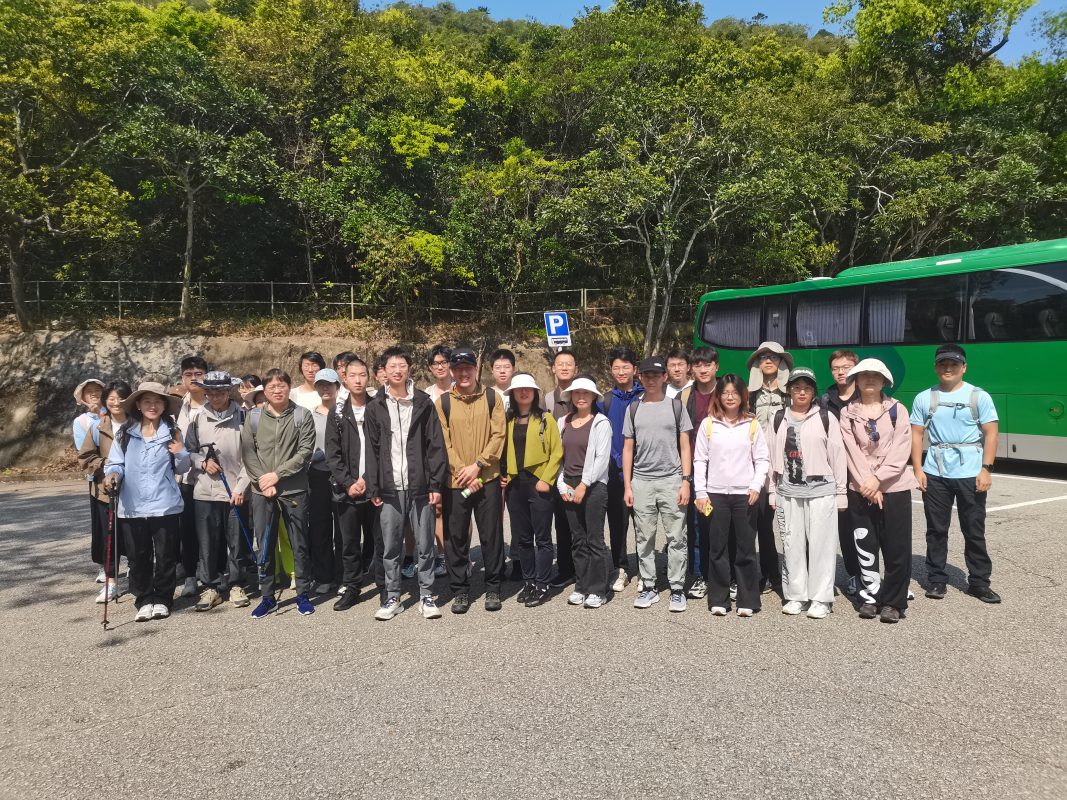
The trail from Pak Tam Chung to Long Ke Wan passes through the Hong Kong UNESCO Global Geopark, where students encountered rich ecological resources as well as examples of human–nature interactions. During the hike, Prof. Ye connected course content with the surroundings, guiding students to observe natural resource management, ecological protection policies, and the impacts of climate change on coastal zones.
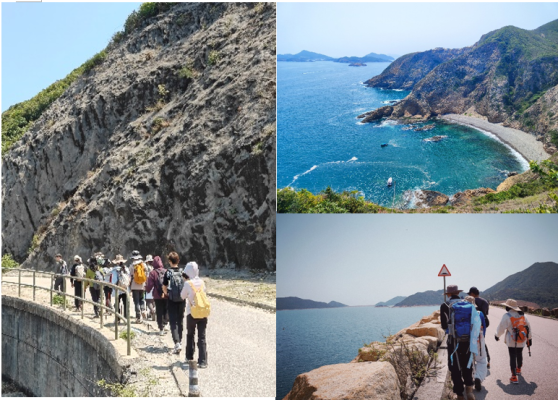
The round-trip hike covered approximately 30 kilometers, including both flat country paths and rugged mountain trails. Along the way, faculty and students encouraged and supported one another, demonstrating perseverance and teamwork. Prof. Ye remarked: “Hiking is much like our academic research — it requires clear goals, patience, and persistence. Facing the complexity of climate change and environmental governance, we must move forward steadily, one step at a time, just as we did today.”
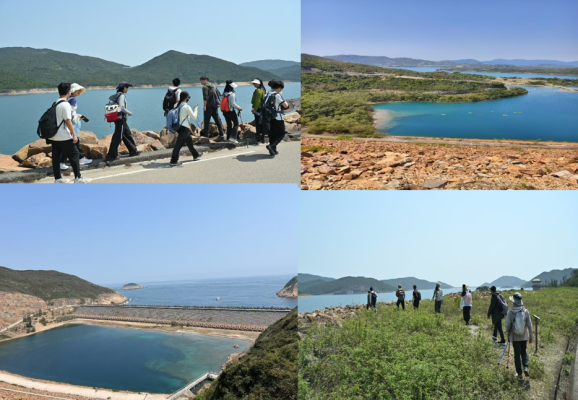
This hike served as a vital practical component of the Environmental Economics and Economics of Climate Change courses. Through field observation, students engaged in discussions and shared their research ideas. One postgraduate student commented: “This hike gave me a direct sense of the real impacts of climate change, such as coastal erosion and vegetation changes. In class, we often discuss carbon reduction policies at the theoretical level, but here we could witness both their effects and challenges.” An undergraduate student reflected: “By observing waste sorting and ecological conservation measures along the way, I gained a deeper understanding of concepts such as ‘externalities’ and ‘public goods’ in environmental economics.” Students also connected classroom theories with real-world issues, focusing on questions such as: 1. How do Hong Kong’s ecological protection policies balance economic development and environmental conservation? 2. What are the impacts of climate change on coastal areas, and what adaptation strategies are viable? 3. How can sustainable tourism and natural resource management be analyzed from an economic perspective? In his concluding remarks, Prof. Ye emphasized: “We hope students will not only master theoretical knowledge but also step into nature, observe society, and cultivate the ability to solve real-world problems. This hike is only the beginning, and more opportunities for practice and exploration lie ahead.”
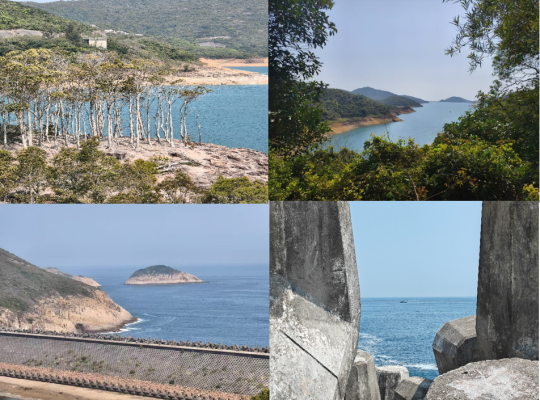
The hike from Pak Tam Chung to Long Ke Wan concluded successfully, serving not only as an exploration of nature but also as a vivid economics classroom. Faculty and students reflected while walking, and grew through dialogue, truly embodying the educational philosophy of “Reading ten thousand books and traveling ten thousand miles.” The activity promoted the integration of theory and practice in teaching, providing students with valuable opportunities to engage with society and connect closely with nature.