 English
  简体中文
简体中文 Recently, the research group of Bin Ye from the School of Environmental Science and Engineering, Southern University of Science and Technology (SUSTech), published a research paper in the top-tier engineering journal Applied Energy, entitled “Energy-economy-environment evaluation of building-integrated photovoltaic considering facade factors for representative megacities in China.” The study developed a comprehensive evaluation model for the energy-saving and carbon-reduction potential of Building-Integrated Photovoltaic (BIPV) systems, assessing solar resource endowments and BIPV’s potential for energy saving and carbon reduction in ten representative megacities across China’s major climate zones. The study employed multi-dimensional imagery and three-dimensional building footprint methods to innovatively evaluate the power generation potential of building facade PV systems. In addition, it explored the coupling and interconnection between BIPV systems and electric vehicles (EVs) to evaluate the role of EVs in reducing peak-valley differences in power grids.
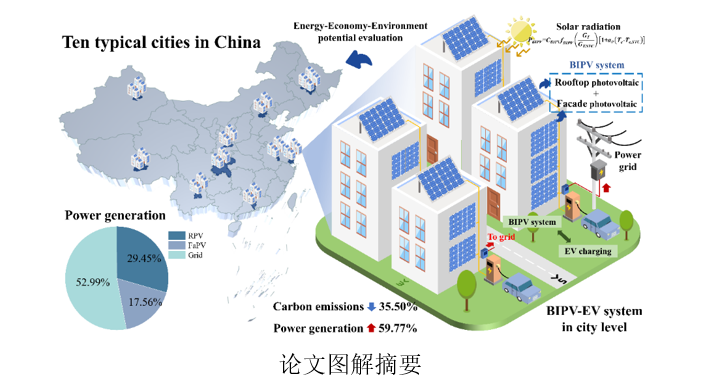
China’s megacities provide favorable conditions for the development of distributed BIPV systems, which can be integrated into rooftops, facades, and shading structures, offering high adaptability. The study aimed to develop an “energy-economy-environment” potential evaluation system to measure the capacity of BIPV systems that include both rooftop and facade photovoltaics. Ten megacities in China were selected to represent different regional building design types. Each megacity represents a major population and energy consumption center in a representative climatic-geographic region of China. According to climatic zones, cities were selected as follows: frozen zone (Harbin); cold zone (Beijing, Lhasa, and Xi’an); hot summer & cold winter zone (Chongqing, Nanjing, and Shanghai); warm zone (Kunming); hot summer & warm winter zone (Guangzhou). The study quantified BIPV generation capacity and grid electricity demand in these cities using urban building datasets, solar radiation data, and EV datasets, providing significant reference value for urban PV power station development.
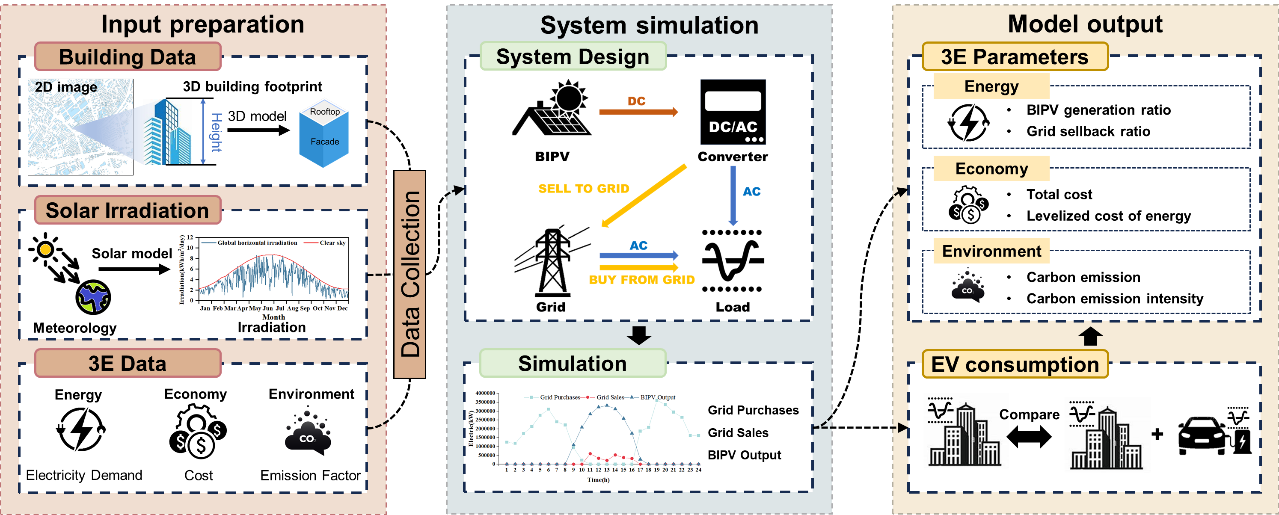
Figure 2. the research framework diagram
Results show that the annual power generation of BIPV systems across the ten megacities varies from 14.19 TWh (Lhasa) to 108.92 TWh (Shanghai). At maximum potential, BIPV contributes 34.97%–80.46% of the total power generation of each city, demonstrating tremendous potential. The integration of facade photovoltaics notably increased BIPV potential. For instance, in Beijing, due to its higher average building height, facade PV integration enhanced power generation potential by 149%. In the other nine cities, the increase ranged from 37% to 65%, further confirming the critical role of facade PV in enhancing BIPV potential.
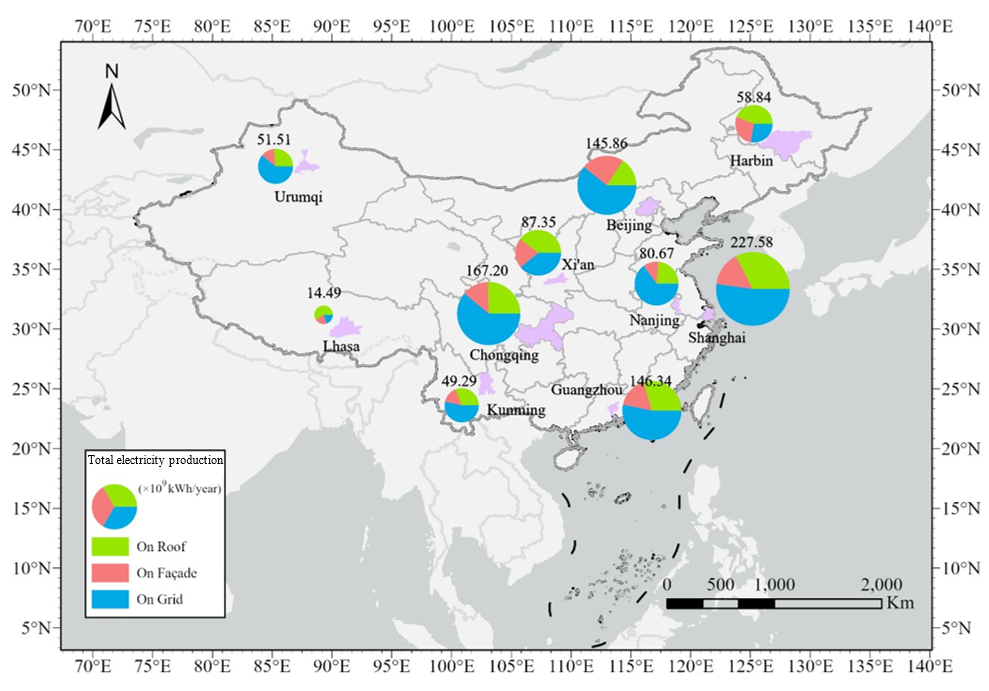
Figure 3. BIPV generation and grid electricity supply in ten representative megacities in China
With the growing adoption of EVs in cities, EV electricity consumption accounts for 6.39%–16.46% of total electricity generation. Therefore, the study also considered the absorption capacity of EV systems within BIPV. The synergy of BIPV-EV significantly increased the proportion of self-consumed BIPV power. For example, in the case of Urumqi’s BIPV, EV absorption reduced surplus distributed electricity by 13.81%. Compared with BIPV alone, EVs can effectively serve as additional loads to absorb surplus electricity from distributed systems, thereby lowering the surplus power ratio and grid sellback ratio.
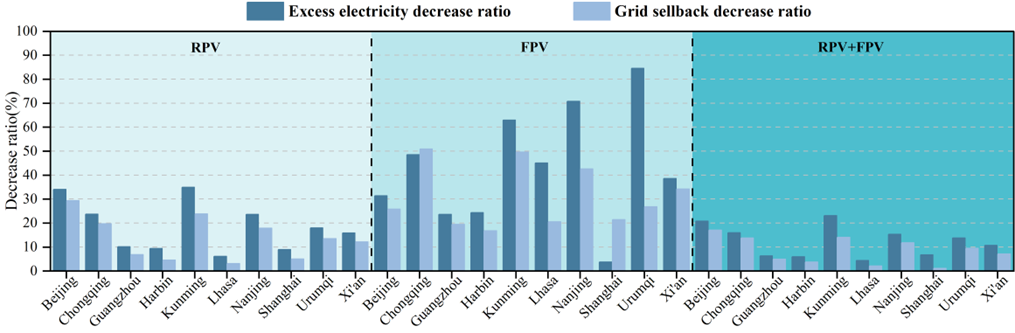
Figure 4. the decrease ratio of grid sellback and excess electricity caused by the consumption of electric vehicles
This research provides theoretical support for the development of BIPV by constructing a comprehensive evaluation model for energy saving and carbon reduction, assessing BIPV potential from energy, economic, and environmental perspectives, and offering scientific evidence for future research and practice. Furthermore, by exploring the coupling of BIPV and EV systems, the study expands new avenues for multi-energy complementary systems research. The findings hold strong practical significance, offering scientific evidence for urban planners and policymakers to promote BIPV technologies and achieve energy-saving and emission-reduction targets. At the same time, it provides new perspectives for the EV industry, enhancing energy efficiency and environmental benefits. Under the dual pressures of urbanization and climate change, adopting BIPV and EV consumption strategies is critical for the sustainable and low-carbon transition of urban energy production.
Assistant Professor Bin Ye of the School of Environmental Science and Engineering at SUSTech the corresponding author of the paper, and Zhe Yu, a master's student (Class of 2023), is the first author. SUSTech is the first author's affiliation. Co-authors include Cuiying Chen (Master’s student, Ye's Group), Duo Lou (Postdoctoral fellow), and Prof. Jingjing Jiang from Harbin Institute of Technology (Shenzhen). This achievement was supported by the National Natural Science Foundation of China under grants 72173058 (led by Bin Ye) and 72394391 (participated by Bin Ye).
Paper link: https://authors.elsevier.com/a/1ks0t15eifFubw