English
  简体中文
简体中文 Recently, the project titled "Research on Multi-Energy Complementary Optimization of Source-Grid-Load-Storage in CNPC Dagang Oilfield", led by Assistant Professor Ye Bin, successfully passed its final acceptance review in Tianjin. This marks the successful application of theoretical research in the field of multi-energy complementary optimization by the research group. Against the backdrop of large-scale integration of renewable energy, this study provides a reference for replacing existing high-carbon fossil energy systems with large-scale integration of wind, solar, and storage units. It also serves as a model for low-carbon transformation in oilfield development areas, mining subsidence areas, and aging industrial zones across China.
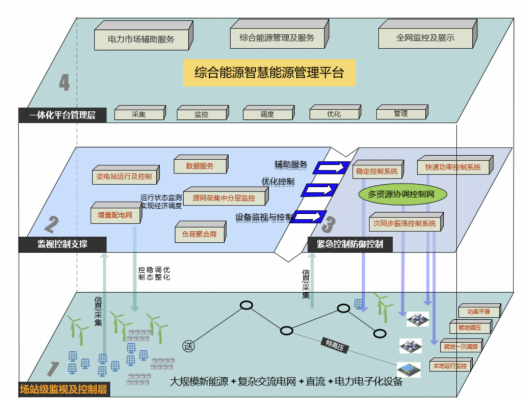
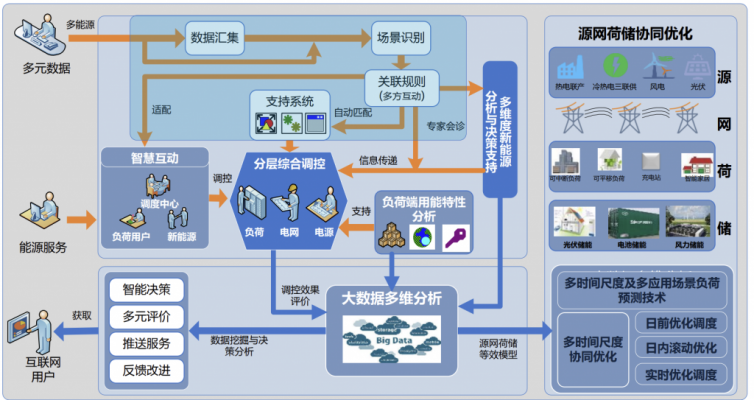
The scope of this project is based on a self-optimizing model of the electricity source-grid-load-storage system. It analyzes the electricity load, resource conditions, consumption capacity, and power balance within the transformer supply scope of the northern, central, and southern regions of Dagang Oilfield. The study aims to determine the optimal configuration of wind power, photovoltaic, and corresponding energy storage systems that maximize the development of wind and solar resources and increase the proportion of green electricity consumption, while ensuring reasonable project returns. By constructing an integrated source-grid-load-storage project, the study fully considers the complementary characteristics of wind and solar power, as well as the regulation capabilities of energy storage and load. It explores the comprehensive regulation capacity of the source-grid-load-storage system to promote the integrated development of smart comprehensive energy services. Under economically feasible conditions, the project enhances self-balancing capability, reduces the demand for peak regulation and reserve capacity from the main grid, and maximizes the consumption of renewable energy, thereby promoting green and low-carbon development in Dagang Oilfield.
This project was jointly undertaken by Southern University of Science and Technology, Guangzhou Institute of Energy Conversion of the Chinese Academy of Sciences, and Mingyang Smart Energy Group. It represents a successful example of industry-university-research collaboration and has achieved outstanding scientific results, providing a reference for CNPC’s strategic transformation toward low-carbon development.
Low-carbon energy system planning at the industrial park scale is an important pathway for the low-carbon transformation of future urban built-up areas. By introducing distributed energy systems such as wind, solar, and storage at scale, and adopting either grid-connected or off-grid modes, it is possible to fully develop renewable energy while utilizing existing energy infrastructure to maximize regional carbon emission reductions. Against the backdrop of the national dual carbon strategy, research in this field holds significant theoretical and practical importance.