 English
  简体中文
简体中文 To implement General Secretary Xi Jinping’s solemn pledge at the 75th United Nations General Assembly that China will strive to reach a carbon-dioxide emission peak before 2030 and endeavor to achieve carbon neutrality before 2060, Assistant Professor Ye Bin led his research group to prepare the project proposal “Research on Shenzhen’s Industrial Transformation and Upgrading under the Background of Carbon Neutrality,” which was granted funding in the 2021 Shenzhen Philosophy and Social Sciences Planning Project.
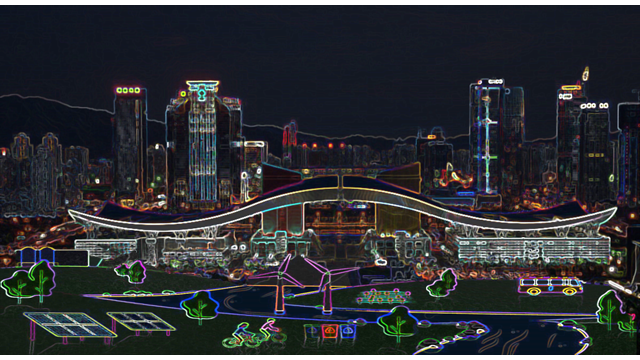
The project is grounded in Shenzhen’s current carbon-emission situation and in the dilemma that the space for industrial-structure optimization in Shenzhen is diminishing while the marginal difficulty of emission reduction is increasing. It proposes applying synergy theory to conduct an in-depth analysis of the dynamic synergistic effects among Shenzhen’s industrial structure, socio-economic benefits, and carbon-emission volume, investigates the coupling mechanism among the three, and uses a policy-tool set to solve for the optimal path of industrial upgrading, thereby unifying theory and application. The study aims to provide a reference for research on the path of industrial transformation and upgrading for Shenzhen in achieving the “carbon neutrality” target. In current research, most literature on carbon emissions focuses on scales at or above the provincial level, whereas studies at the basic-unit city scale are slightly insufficient and lack analysis of socio-economic benefits and research on policy-planning methods.
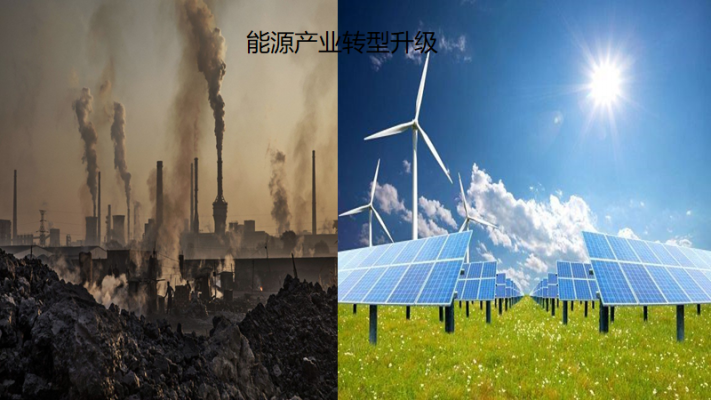
China attaches great importance to the current round of the new-energy revolution and has elevated the “carbon peak, carbon neutrality” strategy to an unprecedented height. The low-carbon development strategy is a major strategic decision made by the CPC Central Committee after careful deliberation; it concerns the sustainable development of the Chinese nation and the building of a community with a shared future for mankind. Therefore, under the background of carbon neutrality, research on Shenzhen’s industrial transformation and upgrading provides an advanced research-path reference for other cities in undertaking low-carbon development and will help the nation move steadily and far along the road of carbon neutrality.